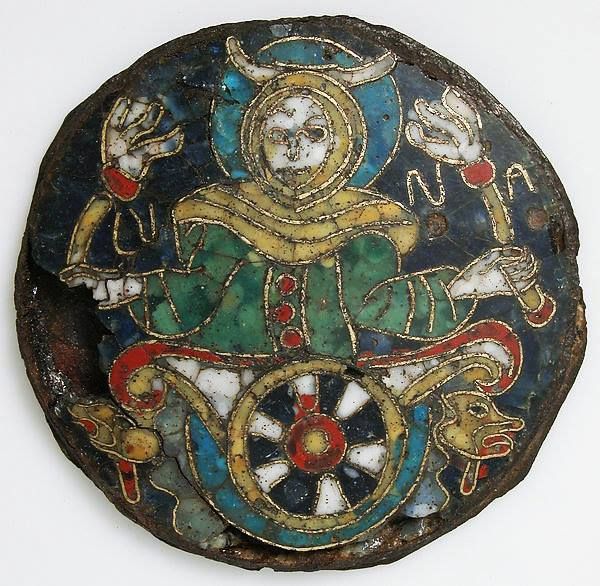
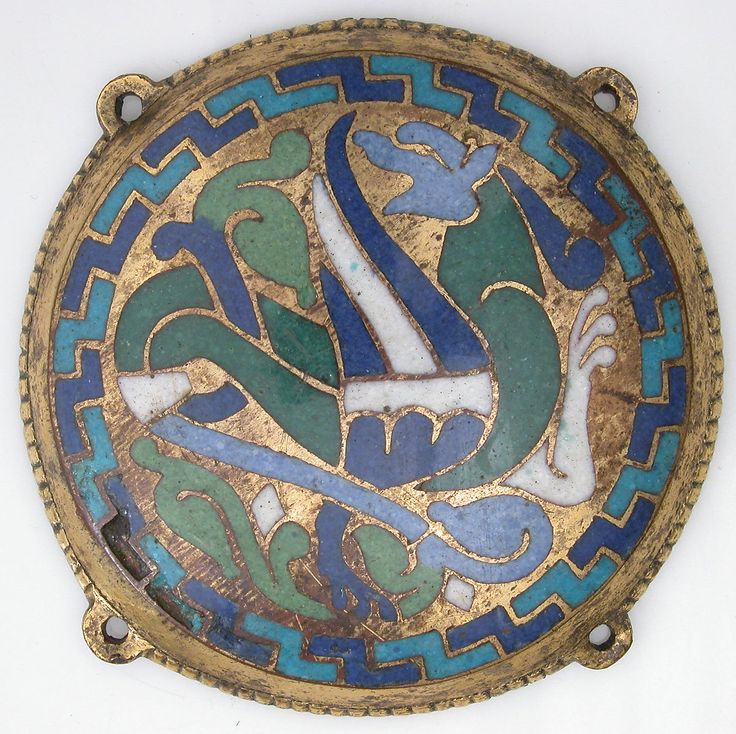
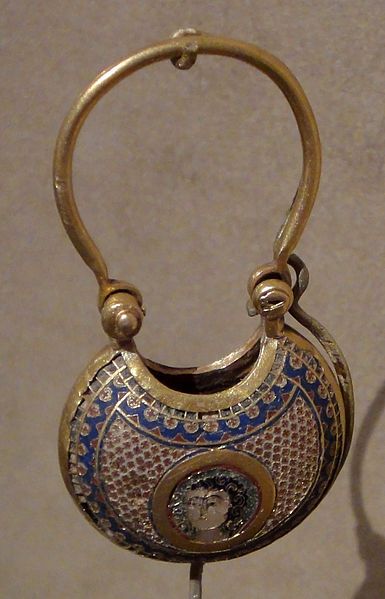
Have you ever wondered why the sapphire blue on a Byzantine brooch from the 6th century still gleams with the same intensity as a summer sky over the Georgian mountains? Or why the emerald green on an antique Persian pendant appears to glow from within, as if lit by an inner fire that time cannot extinguish? The answer lies not in ordinary paint or dye, but in a marriage of ancient wisdom and precise chemistry—a sacred process where glass, metal, and flame unite to birth colors that will outlast empires.
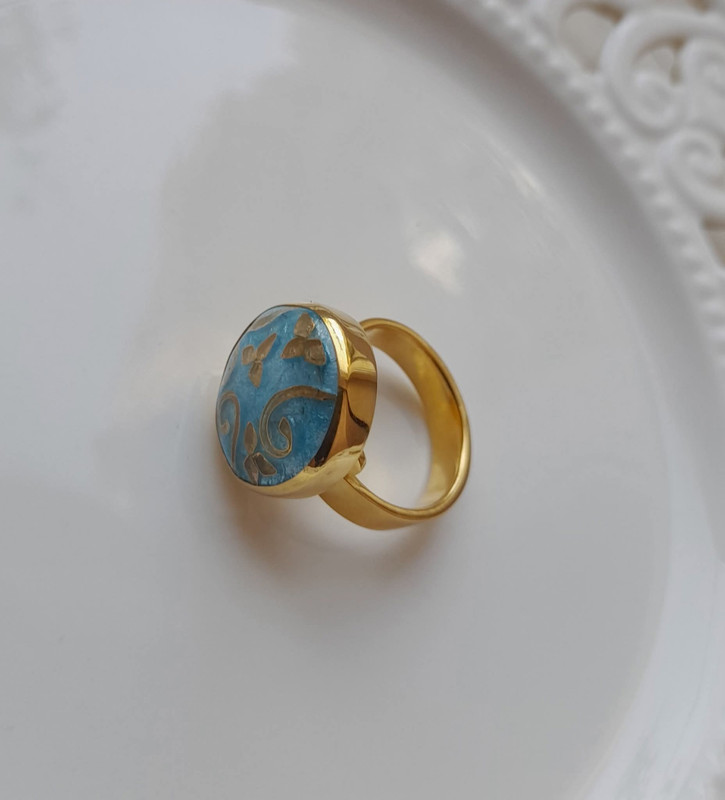
This is the world of cloisonné enamel, and in the hands of Georgian masters, it becomes Minankari—an art form where each hue is not applied, but created, through the deliberate orchestration of molecular forces. Here, in the workshops of Tbilisi, artists like Nino Kartsivadze continue a tradition that transforms the periodic table into a painter's palette, where each color tells the story of fire conquering matter.
The Soul of the Hue: Not Paint, But Glass
A Crystalline Canvas
The first revelation that transforms one's understanding of cloisonné enamel is this: what appears to be colored paint is, in reality, a sophisticated form of glass. Jewelry enamel begins its life as a precisely formulated mixture of silica (SiO₂)—the same substance that forms quartz crystals in mountain caves—combined with fluxes such as soda (Na₂O) and potash (K₂O) that lower its melting point, making it amenable to the jeweler's fire.
Historically, craftsmen added lead oxide (PbO) to this crystalline foundation, bestowing upon the enamel an otherworldly brilliance and clarity that seems to capture light and hold it prisoner. When an artist reaches for a pinch of enamel powder, they are not grasping mere pigment, but handling countless microscopic glass fragments, each one a potential prism waiting to be reborn in flame.
A Palette from the Periodic Table: The Secrets of Metallic Oxides
If the glass foundation provides the canvas, then the metallic oxides are the soul of color itself. Each element brings its own chromatic signature, its own personality forged in the crucible of chemistry. The Georgian enamel artist must understand not just the aesthetics of color, but its very atomic nature—for in Minankari, to paint is to perform chemistry.
Cobalt's Royal Decree: The Blues
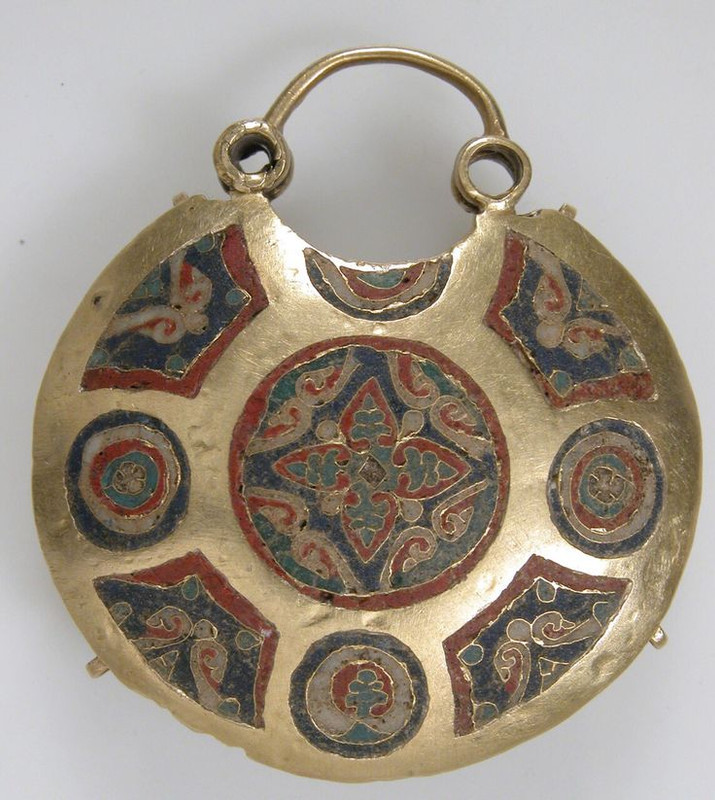
In the hierarchy of enamel colors, blue reigns supreme, and its sovereignty comes from a single element: cobalt. Cobalt oxide (CoO) possesses an almost magical ability to transform ordinary glass into every conceivable shade of blue, from the pale azure of a winter dawn to the profound indigo of midnight seas. So potent is this element that a mere whisper—as little as 0.5% added to the glass mixture—can produce colors of breathtaking intensity.
Copper's Verdant Magic: The Greens and Turquoises
If cobalt commands the sky, then copper claims dominion over the earth. Copper oxide (CuO), when dissolved in the molten glass matrix under the controlled oxidation of the kiln, births the entire spectrum of green—from the tender jade of new spring leaves to the deep malachite of ancient forests. These are the colors that sing of Georgia's evergreen mountains, of the lush valleys of the Caucasus captured forever in glass.
The Ruby's Heart: The Precious Role of Gold
Among all the colors in the enamelist's repertoire, none is more coveted—or more costly—than the deep ruby red that seems to capture fire itself within glass. This color cannot be achieved through simple oxidation like the others, for ruby red enamel requires nothing less than actual gold—not as an oxide, but as colloidal particles, microscopic spheres of pure gold suspended in the glass like captured starlight. This is why jewelry featuring red enamel commands premium prices—quite literally, you are purchasing pieces where gold has been sacrificed not for its monetary value, but for its irreplaceable ability to create a color that exists nowhere else in nature or art.
The Crucible of Creation: Where Chemistry Becomes Art
The Transformative Power of Heat
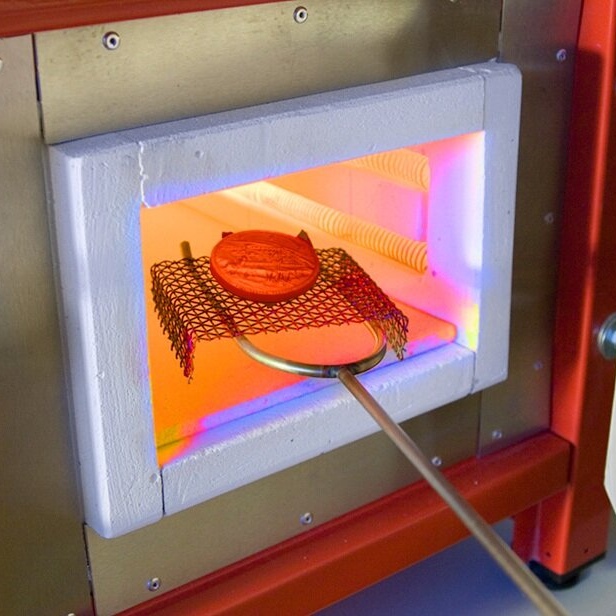
The uninitiated might imagine that firing enamel is merely a process of drying. This misconception diminishes the true miracle that occurs when cloisonné enamel meets flame. At temperatures between 750 and 850 degrees Celsius (1380-1560 degrees Fahrenheit), something far more profound takes place: a complete molecular transformation. In the white heat of the kiln, the metallic oxides don't simply mix with the molten glass—they dissolve into it, becoming part of its very atomic structure. This is why enamel colors are truly permanent.
A Tale of Two Enamels: Transparent vs. Opaque
Within the realm of Georgian jewelry creation, enamelists work with two distinct types of glass. Transparent enamels (translucent) perform an optical ballet with light, allowing it to pass through, reflect off the silver foundation, and return to the eye enriched and intensified. The result is color that seems to glow from within. For different effects, craftsmen turn to opaque enamels, created by adding "opacifiers" such as tin oxide (SnO₂). These compounds scatter light, creating colors that are solid, definite, and bold.
Why This Knowledge Matters to a Connoisseur
Understanding the true nature of enamel chemistry fundamentally transforms how one perceives a piece of Minankari jewelry. What once appeared to be merely decorative color reveals itself as a triumph of human mastery over elemental forces. This knowledge explains why authentic handmade enamel jewelry commands respect and premium pricing. The artist who creates such pieces is not merely a craftsperson but a chemist, physicist, and alchemist rolled into one.
When you look at a piece of Minankari, you are not just seeing a pattern in precious metal. You are witnessing the legacy of cobalt's enduring blue, the magic of copper's green transformation, and the fire of gold captured forever in glass by the masterful hands of a Tbilisi artist.
Each piece in our collection represents this extraordinary fusion of science and soul, where chemistry serves beauty and artistry commands the elements. These are not merely accessories, but tangible pieces of Georgian heritage, where every color tells the story of elemental mastery.